Question Your World: Are Lanternflies Evading Nature's Pest Control?
Folks in Virginia may follow the Baltimore Orioles — you know, those bright-orange-and-black birds that soar over Camden Yards? Well, orioles are currently involved in a pretty epic saga playing out across Maryland and Pennsylvania that has real consequences for our trees, vineyards — and maybe even your backyard. Let’s fly into the story.
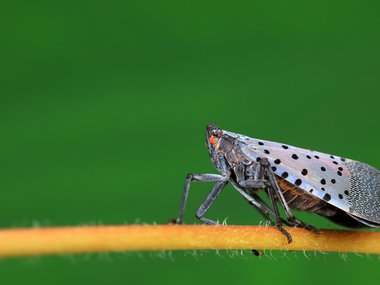
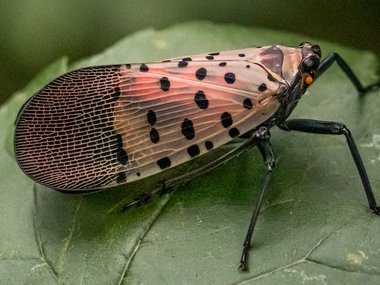
Spotted lanternflies, the mostly tan invasive critters with black spots and flash bright red hindwings, have been spreading across Maryland since around 2018 and now appear throughout Virginia, threatening ecosystems and farms. These insects feed on the sap of grapevines, fruit trees, maples, willows and walnuts, putting many regional vineyards, orchards and ornamental trees at serious risk.
As they feed on their favorite tree snacks, they excrete a sticky honeydew-like fluid which can drip onto plants, outdoor furniture and even cars. This gooey substance also fuels sooty mold, which can block photosynthesis and stifle plant health. That means not only could fruit and wine production suffer, but whole landscapes and neighborhoods might lose that lush, leafy green cover.
But wait, there’s more! According to a recent study from Penn State University, these lanternflies stock up on toxic chemicals (quassinoids) when they feed on an invasive tree called Tree of Heaven. Storing quassinoids in their bodies makes lanternflies bitter and unpalatable to many bird species that might otherwise eat them.
According to these researchers, birds such as woodpeckers, chickadees and Carolina wrens — all common in Virginia and Maryland — tended to avoid lanternflies that had fed on Tree of Heaven.
Lanternfly eggs can also carry the chemicals, suggesting a built-in “toxic shield” that could protect future generations. So, what does this mean for the Virginia-Maryland region and the birds we love?
It means that these lanternflies are not just pests harming plants, but they may be evading one of nature’s most effective pest-control tools: hungry birds! Some birds may try to reduce the amount of toxins they ingest by plucking off the wings of the lanternfly, mimicking the behavior of orioles who avoid the toxic wings of monarch butterflies. But ultimately, they could use support from us humans!
There are many things you can do to help. First of all, scrape off any suspicious “mud-like” egg masses from trees or posts in fall/winter to prevent them from hatching. Remove Tree of Heaven saplings or trees if they grow nearby since it’s the lanternfly’s favorite diet. If you don’t want to do that, you can also set up non-sticky circle traps around tree trunks, or use mechanical removal methods (gloves, vacuums, nets, etc) — all of which are low-impact and effective.
So while our Orioles may still be soaring in the outfield, and around our beautiful Mid-Atlantic region of trees and vineyards — the lanternflies are also present, and they’ve got some chemical backup. But we’ve got some options, and with a little dedication, we can help knock them out of the park!