Top 5 Science Deep Cuts 2025
Between interstellar objects to new breakthroughs in tech, science has had a busy year! We’ve spent all year going over the various science stories that made headlines around the world, but there were some fascinating stories that you may have missed out on. Defying any one singular field, here are our top 5 science deep cuts of 2025!
#5. Archaea
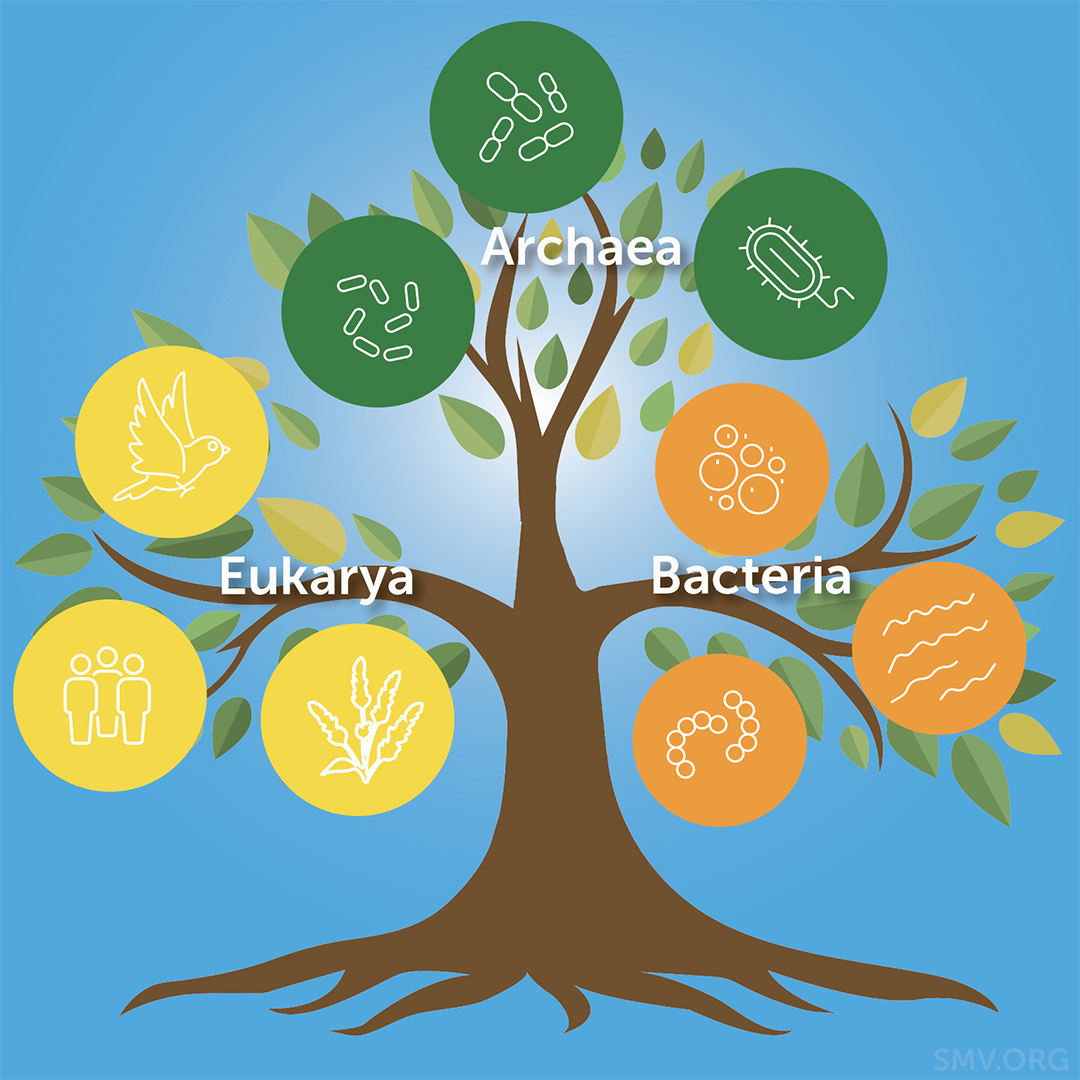
Microbes known as Archaea, unlike bacteria or animals, are on a different branch on the tree of life. They can live in harsh conditions like acid baths, boiling springs or salt flats, and this got scientists wondering about modern-day antibiotics. Did archaea’s ability to withstand harsh conditions also help them evolve unique defense strategies, and can we use the same strategies for antibiotics?
Using an AI tool researchers scanned hundreds of species of archaea to look for molecules that could fight bacteria. The appropriate candidates were further studied and a remarkable 93% of them could harbor human pathogens, even ones resistant to existing drugs. When doing animal model testing a single dose halted the spread of a hospital acquired bacteria.
The lack of access to or resistance to antibiotics is a major concern, and perhaps archaea could help bridge those needs. Researchers have lots of work left to do here, but this is a great reminder that the natural world still holds many more secrets left to uncover!
#4 Short Sleepers
Scientists looked at a rare group of individuals known as “natural short sleepers” who seem to do fine on just 4-6 hours of sleep! These folks don’t power through on coffee. They’re able to function without the recommended 7-8 hours of rest thanks to a genetic mutation.
This only applies to about 1 in 300 individuals, but by building on over a decade of research, a team of scientists looked at specific genes involved here. Understanding these biological variables could be a game changer for treatments related to insomnia or fatigue.
More research on this will resume next year, after the researchers have gotten some rest, of course.
#3 Mind Over Matter
A scientifically studied example of mind over matter!

In an experiment where a group of subjects were given various ways to cope with pain, one successful method was mindfulness meditation. Meditation reduces pain’s intensity and unpleasantness by decreasing a person’s brain activity regarding the intensity of the pain and the emotional response to the pain. Effectively, this practice reduces the communication in brain regions related to introspection, self awareness and emotional regulation.
Much more studying is needed, but researchers are hopeful this could be added to the list of drug-free options for patients suffering from chronic pain issues.
#2 Powerful Clothing
Could renewable energy be as easy as wearing your clothes? Researchers looked into that potential by studying amphiphiles–molecules commonly found in things like diapers to help reduce skin friction.
Some of these molecules also have electronic properties of donating electrons. AKA generating electricity! Examples given by these researchers could power up to 300 volts of energy from day-to-day movements. This technology would be ideal for powering wearable devices, charging smartphones on the go or powering health monitors.
Much more research is needed, but don’t be shocked if you see this type of clothing making a buzz in the future.
#1 Data Centers
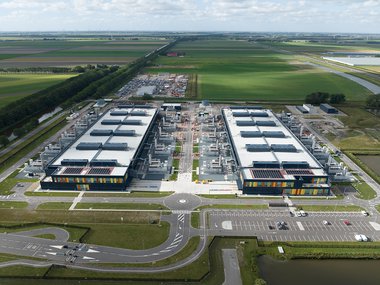
All things internet, social media and AI needs energy. All of that energy use ultimately involves data centers, the hub of where all this computation goes down. These massive facilities require a lot of power. AI alone needs the energy of a nation like Sweden or Argentina. Projections go as far as saying we will need to double or triple current capacities to keep up with America’s future digital needs.
As our digital needs keep growing, so too must sustainability practices.
Meta is trying to reduce data center cooling energy needs by 20%.
Hamina Google is now using seawater for cooling needs and has a system heat recovery project that would go on to heat homes surrounding the data center’s region.
Humans were creative enough to come up with the digital world, so now we must get creative and make it sustainable for generations to come!