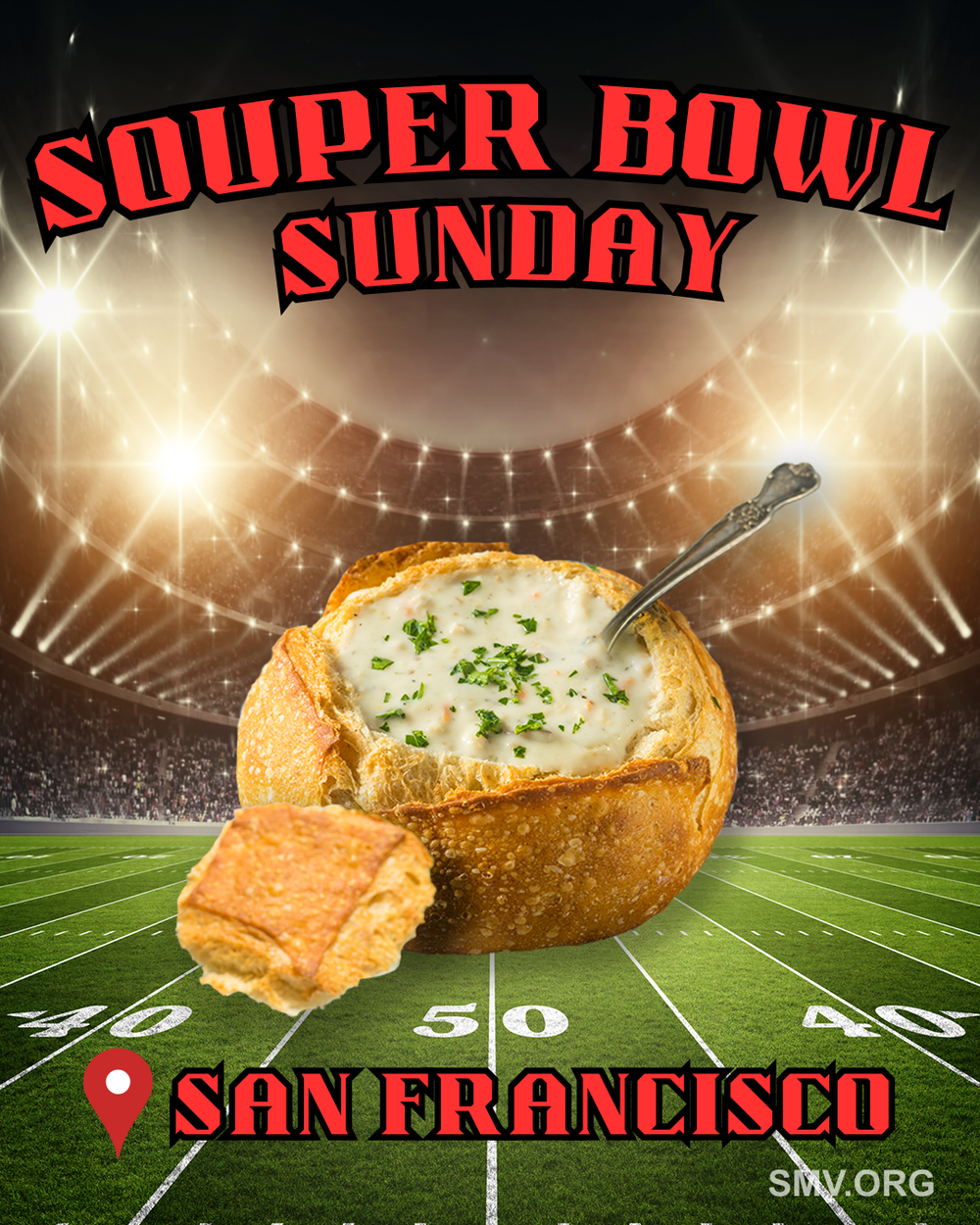
From renaissance festivals to coastal towns, soup and bread are a delicious, familiar pairing. Clam chowder served in a sourdough bread bowl is an iconic dish in San Francisco. But what’s the secret behind the uniquely acidic, tangy flavor of San Francisco sourdough? Some think it's due to the regional climate, while others point to lactic acid bacteria.
But was this new species unique to the region where it was found? Not so much!
In 2021, the Global Sourdough Project took over 500 samples of sourdough starter from all around the world to look at their microbiomes to see if they correspond to different factors, including where the starters came from. These samples ranged in age and origin – some could be traced back over 200 years!
After sequencing the DNA of the microbes, scientists found that the microbiome of sourdough starters are not related to their geographic origin, but instead are influenced by types of flour used in the starters, the temperature the starter is stored at and a hidden superstar: acetic acid bacteria.
Bakers have informally referenced acetic acid when it comes to the aroma and flavor of sourdough, which is no surprise: Acetic acid is a byproduct of fermentation and is the key component of vinegar. Almost all studies of sourdough focused only on yeast and lactic acid bacteria, so this study did something different. When scientists investigated the role of acetic acid bacteria in sourdough bread they found that this microbe is crucial to the tangy aroma of sourdough and was present in almost 30% of the sampled sourdough starters.
So, the next time you enjoy some soup with extra tangy “San Francisco” sourdough bread, don’t forget to thank acetic acid bacteria!