Top 5 Life Science Stories 2025
“Life science” is a broad area of study, and that means Virginia C. Ellett Deputy Director of Education Timshel Purdum's top 5 stories can cover everything from fake octopus arms to groundbreaking fossil finds. And boy do they ever!

#5 . Millepede medicine
Millepedes are multilegged animals that live under leaf litter and logs. Many species produce toxins to protect themselves from things that would like to eat them.
Researchers at Virginia Tech recently studied the secretion of a Virginia millepede that causes ants to become disoriented and disrupt their nervous systems. This and other millipede toxins studied by the team often bind strongly to specific neuroreceptors, such as those that signal pain in humans.
These studies may one day lead to better pain medications. It’s a great example of how general research into the world around us can have a big impact on human health.

#4. Tuberculosis progress
Tuberculosis, or TB, is one of the world’s deadliest infectious diseases, and many strains are resistant to antibiotics.
A new compound called CMX410 shows promise, effective against 66 different TB strains. It works by shutting down a key enzyme that the TB bacterium needs to build its cell wall. Scientists created the compound using a technique known as click chemistry, which allows chemists to rapidly create new compounds by snapping molecular pieces together like a puzzle.
There’s still a long road before human trials, but this new molecule shows promise!
#3 Octopus obfuscation
The rubber hand illusion is a classic experiment where you hide someone’s real hand, show them a fake one and then touch both at the same time. Eventually, just touching the fake hand causes the person to react as if it were their real one!
Scientists recently discovered that plain-body octopuses also fall for this illusion.
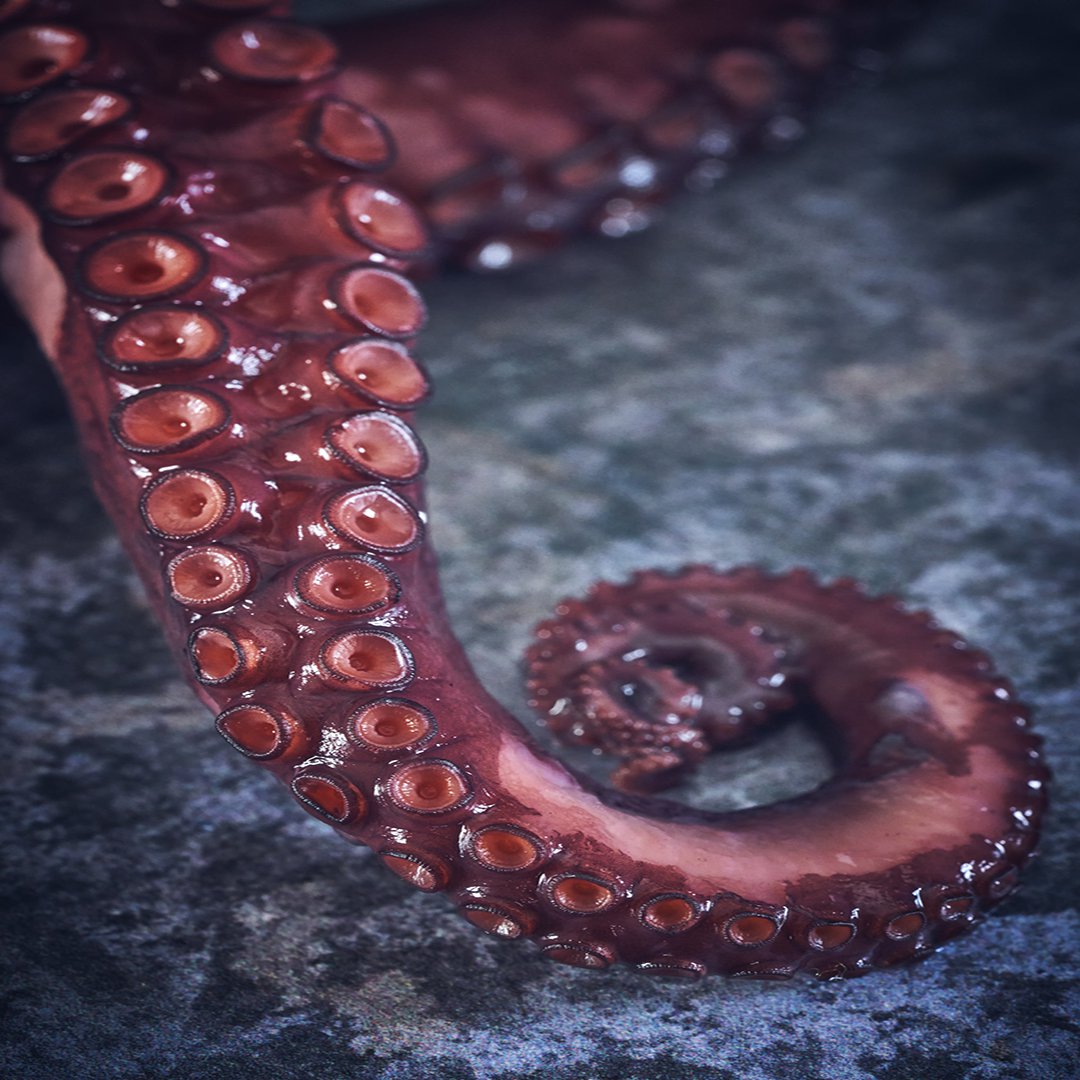
Researchers hid one of the octopus’s real arms behind a partition and placed a soft fake arm in view. After stroking both arms together, they then pinched only the fake arm. The octopuses reacted defensively, changing color or swimming away.
The finding suggests that octopuses may share a sense of body ownership similar to that of mammals.
#2. Birds of a feather
Discovered in 1861, Archaeopteryx is famous as a transitional fossil that first showed us that birds are dinosaurs.
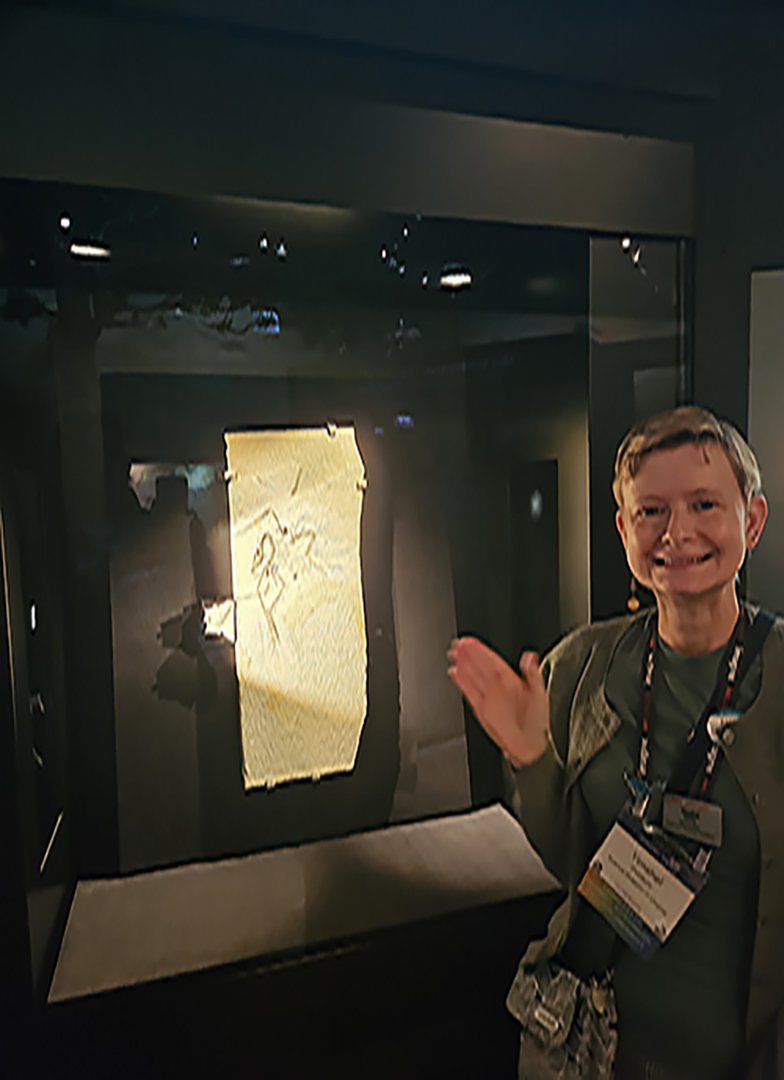
Using powerful tools like micro–CT scanning and ultraviolet light, scientists recently took a fresh look at an exceptionally well-preserved specimen. For the first time, paleontologists could clearly see tertial feathers, which are the feathers on the wing closest to a bird's body and are important for flight.
It’s a great reminder that, as we discover more fossils and develop better tech, even the classics of paleontology can still tell us something new.
#1. The secret is in the bones
For years, paleontologists have wondered whether Nanotyrannus was its own dinosaur or just a teenage T. rex. Now, thanks to the most complete specimen ever found- part of the “Dueling Dinosaurs” fossil-we may finally have an answer.
This skeleton had fewer vertebrae than a T. rex, and you don’t grow new vertebrae as you age. Even better, growth rings in its bones showed it was about 20 years old when it died. It was clearly an adult. These slimmer, faster predators likely lived alongside T. rex, filling different roles in their ecosystem.
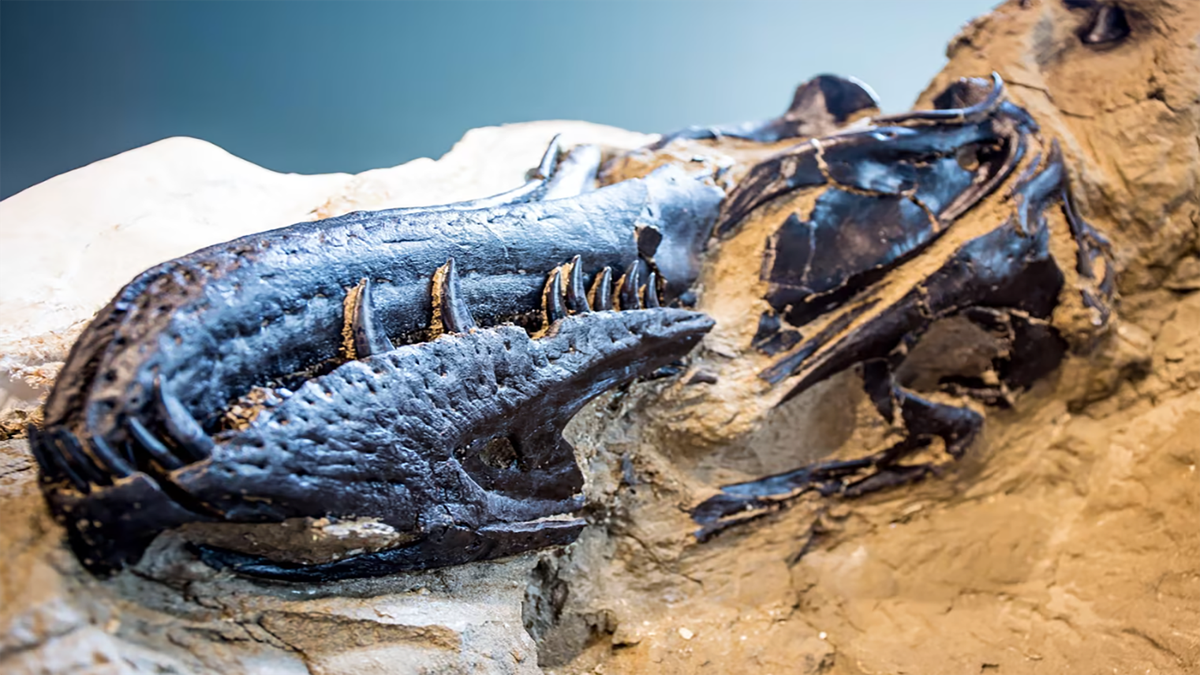
image credit: North Carolina Museum of Natural Sciences